C544 Phosphor Bronze - Grade B

C544 Phosphor Bronze - Grade B

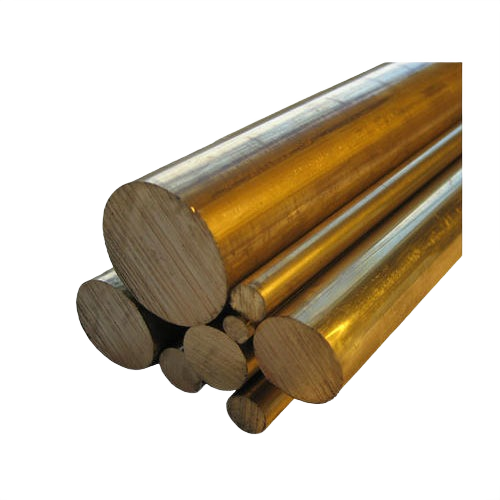
Bronze Rods / C544 Phosphor Bronze - Grade B

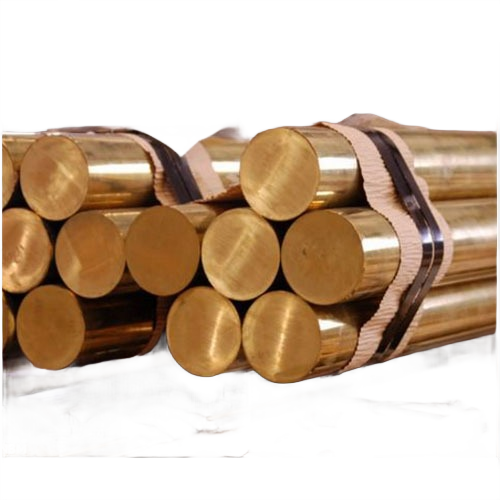
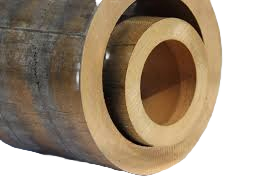
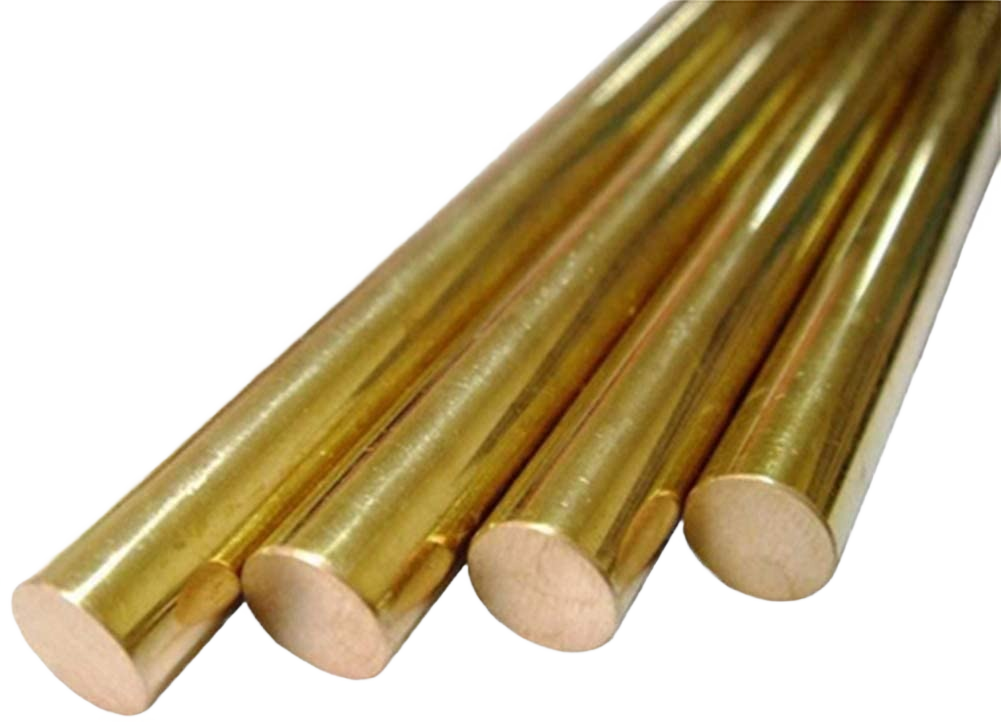
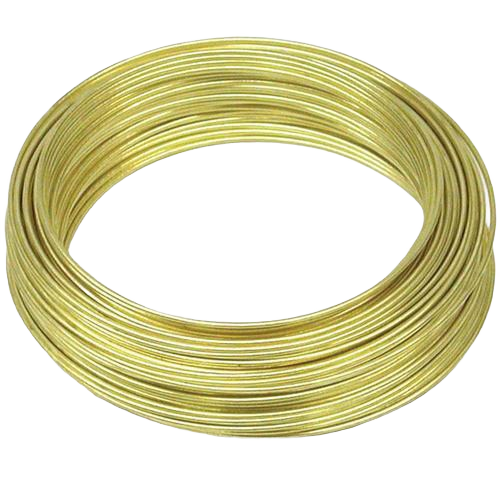
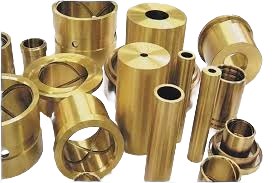
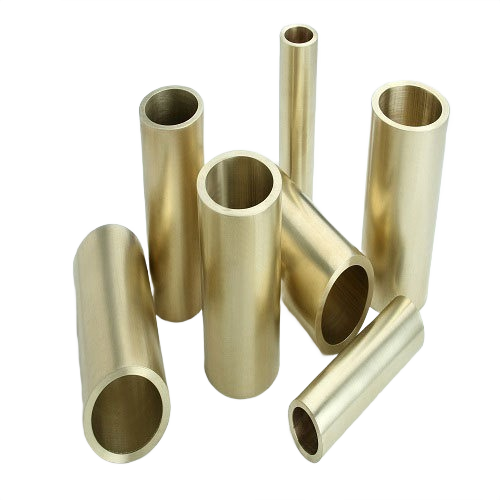
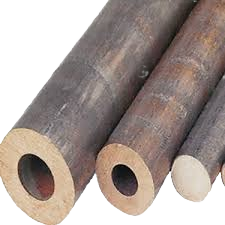
C544 Phosphor Bronze Grade B is a premium bronze alloy engineered for applications requiring excellent wear resistance, corrosion protection, and high fatigue strength. With superior machinability and low-friction properties, it is ideal for bushings, bearings, gears, springs, electrical connectors, marine equipment, and heavy-duty industrial engineering components.

  • Description
  • Chemical Composition
  • Physical Properties
  • Sizes Available

Bronze Family: Leaded Phosphor Bronze
C 544 Phosphor Bronze – Grade B is a METALCO standard alloy and finds use in electrical applications, as well as many industrial applications. It is used as electrical connectors and partially due to its excellent machinability finds use as bushings, gears, pinions, screw machine products, thrust washers, valve parts, and shafts.
 

Specification :
Phosphros Bronze
  • ASTM B103 C 51000
  • SAE J 463 C 51000
  • BS 2874 PB 102


Equivalent Specifications*
 

  • ASTM B139
  • B139M
  • Copper Alloy UNS C54400


Reference Specifications*
 

  • SAE J461
  • SAE J463
  • ASTM B103


* Equivalent specifications are verified and updated annually.
Specifications shown are current as of May 4, 2010.

Chemical Composition (%)
CuSnPFePbZn
Remainder3.5 – 4.50.01 – 0.500.10 max.3.0 - 4.01.5 – 4.5
Sum of all named elements = 99.5% 


Mechanical Properties
Minimum Tensile Properties, English/Metric
Temper HO4 hard
Nominal DiameterTensile StrengthElongation** 
Inches/mmksiMPa% 
¼"– ½" incl./6 - 12 mm. incl.6041510 
Over ½" to 1" incl./12-25 mm incl.5538012 
Over 1.00"/25 mm5034515 


Elongation in 4D
Chemical Composition and Mechanical Properties shown pertain to ASTM B139/B139 M only.

Machinability Rating 80 (Free Cutting Brass = 100)
 

Physical Properties
 EnglishMetric
Melting Point – Liquidus1830° F999° C
Melting Point – Solidus1700° F927° C
Density0.320 lb/in3 at 68° F8.89 gm/cm3 @ 20° C
Specific Gravity8.8908.89
Electrical Resistivity (Annealed)54.60 ohms-cmil/ft @ 68° F9.08 microhm-cm @ 20° C
Electrical Conductivity (Annealed)19%IACS @ 68° F0.111 MegaSiemens/cm @ 20° C
Thermal Conductivity50 Btu · ft/(hr · ft2·°F) @ 68° F86.5 W/m·°K @20° C
Coefficient of Thermal Expansion9.60 · 10−6 per °F (68-572° F)17.3 ·10−6 per °C (20-300° C)
Specific Heat Capacity0.090 Btu/lb/°F @ 68° F377.1 J/kg · °K @293° K
Modulus of Elasticity in Tension15,000 ksi103,400 MPa


Physical Properties provided by CDA

Fabrication Practices
SolderingExcellentCapacity for Being Cold WorkedGood
BrazingGood 
Oxyacetylene WeldingNot RecommendedAnnealing Temperature – Minimum900° F or 483° C
Gas Shielded Arc WeldingNot RecommendedAnnealing Temperature – Maximum1250° F or 677° C
Coated Metal Arc WeldingNot Recommended 
Resistance Welding – SpotNot Recommended
Resistance Welding – SeamNot Recommended
Resistance Welding – ButtFair
Go Back Top